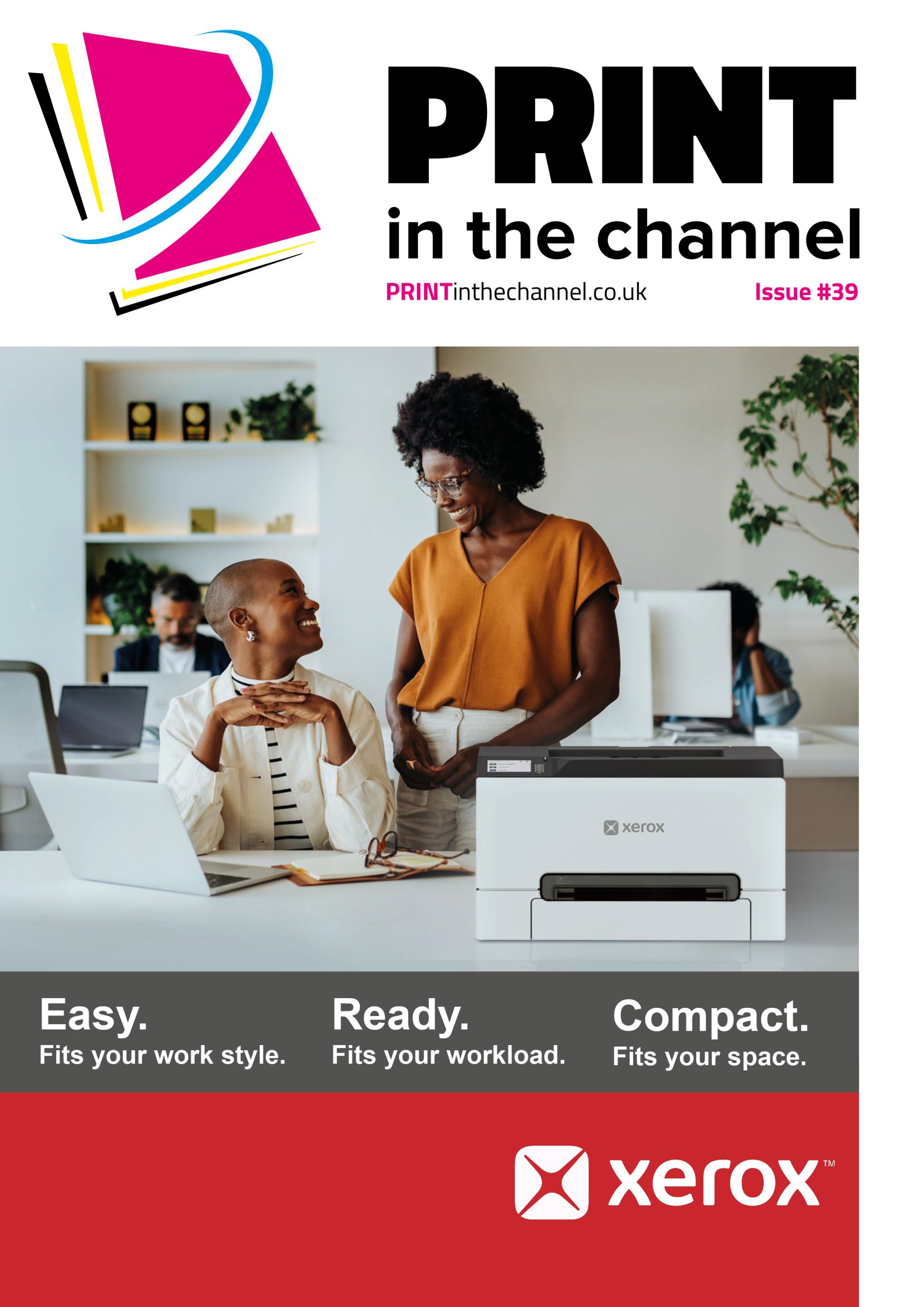

Hybrid working has been an established part of the business landscape for more than six years now. Back then, during COVID, many workers bought printers quickly. Now, those printers are nearing the end of their effective working lives, and businesses are looking to refresh and update them to ensure their hybrid employees can work as efficiently as possible.
It is now more than six and a half years since then-Prime Minister Boris Johnson addressed the nation as the COVID pandemic hit to tell everyone to stay home and save lives. Overnight, many office workers needed equipment, including printers, quickly to be able to do their job effectively at home.
But now, those printers, often bought in haste, are coming to the end of their working lives and many businesses, which retained hybrid working as part of their standard employment contracts, are looking to upgrade them, which presents opportunities for resellers.
Gary Organ, head of device technology sales (office) UK at Fujifilm Business Innovation, notes that in the current climate, most generic office roles continue to follow hybrid working patterns. “Although many claim to recently have seen productivity increase with staff returning to the office,” he adds. “This means that most businesses are factoring in their buying decisions people being away from the office for part of their week.”
Ian Fox, channel solutions and services specialist at Xerox UK & Ireland, says that demand from businesses for refreshing the printers used by hybrid workers is increasing. “Many of the devices purchased during the pandemic were acquired quickly to solve an immediate problem rather than as part of a long-term strategy,” he says.
“Those devices are now reaching the point where reliability, security, supportability and operating costs are becoming concerns. Organisations are increasingly looking to replace these ad hoc purchases with managed, business-grade devices that can be remotely monitored, secured and supported. This aligns with wider industry trends as businesses adapt their print infrastructure to support a permanent hybrid workforce.”
Changing demands
But as businesses look to refresh the printers their hybrid workers use, they have certain demands for them. “Typically businesses are looking for software technology to support hybrid working, integration into existing systems and secure printing that can be collected when in the office,” says Gary.
Ian adds that the key demands from customers are security, simplicity and cloud connectivity. “Organisations want devices that connect seamlessly to cloud-based print and document management platforms, support secure printing without requiring VPN connections, and integrate with the popular cloud service providers,” he says.
“Remote management, automated firmware updates, sustainability reporting and simplified IT support are also becoming increasingly important. Businesses want home and office users to have a consistent experience regardless of where they are working.”
New or refurbished?
With sustainability concerns continuing to ascend the list of priorities for many businesses, this is extending to the tech that they buy – and as a result demand for refurbished and/or remanufactured printer options are increasing.
“While demand remains strongest for new devices there is growing interest in certified refurbished and remanufactured products, particularly among organisations with sustainability targets and budget constraints,” says Ian.
“However, businesses are typically looking for solutions that still provide enterprise-grade security, remote management capabilities and manufacturer-backed support. The decision is increasingly being driven by total cost of ownership and environmental objectives rather than simply acquisition price.”
Gary agrees that sustainability is a factor, with customers also becoming more demanding of new devices. “We are seeing new devices increase with improved energy ratings, lower temperature fusing toner and smaller device footprints as well as improved running cost,” he says.
Reseller conversations
When talking to customers about refreshing hybrid workers’ printers, there are certain aspects that resellers should focus on.
“Software that enables the devices to be used easily and securely when visiting the office, efficiency of devices to ensure that when users are in and printing, they are maximising their time and minimising the time at the device and sustainable technology that uses power when its being use not when users are using the device or less people are in,” says Gary.
Ian says resellers should focus on the broader business outcome rather than just the hardware.
“Security, fleet visibility, remote device management, sustainability benefits, cloud-based print services and reduced support overheads are more compelling than print speed or paper capacity alone,” he says. “Customers should understand the long-term costs and risks associated with unmanaged home-office printing environments.”
Continued growth
With hybrid work now seemingly a fixture in UK working life, it is expected that the number of businesses looking to refresh the printers used by hybrid workers will continue to grow in the next 12-18 months.
“We expect continued growth in refresh activity,” says Ian.
“Hybrid working has stabilised rather than disappeared, and organisations are moving from temporary solutions to strategic investments. As security requirements, sustainability goals and cloud adoption continue to increase, businesses will look to standardise and modernise the devices supporting their hybrid workforce. The result will be greater demand for managed, connected and secure print solutions that can be supported consistently across office and home environments.”
Gary agrees that hybrid working has stabilised, adding that, if anything, days in the office are increasing. “But with a landscape such as this that means one size does not fit all so a portfolio and range that can meet all the clients’ needs no matter what approach they take is essential,” he adds. “Also a range like that of the Fujifilm Apeos range that integrates with all the key market leading software too such as Papercut, MYQ and Ysoft.”
This article first appeared in Print in the Channel magazine issue #40.